Treatment
Frequently Searched
Services On Request
Frequently Searched
Future Plans & Milestones
About Us
Menu

Uniquely into the future as a family business
A hospital like the KIRINUS Alpenpark Klinik is a rarity. Family-run for three generations and closely linked to the Tegernsee Valley, the facility in the Ringsee district of Kreuth has been one of the top addresses for follow-up treatments and rehabilitation in German-speaking countries for years. It is the entrepreneurial courage and vision of each generation, as well as medical excellence and a natural combination of tradition and modernity, that has laid the foundations for its continuing success.
Following a series of targeted individual investments since taking over the clinic in 2007, Ludwig and Ursula Klitzsch have now decided to develop the clinic further: redesigning it with the aim of raising the quality level of the KIRINUS Alpenpark Klinik to a new dimension and securing the future of the entire location for decades to come.
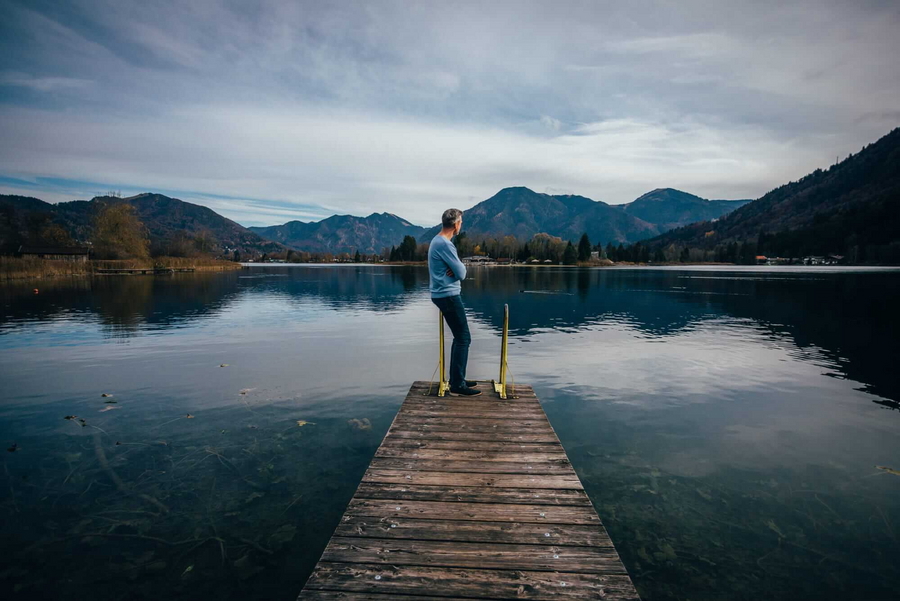
Being the third generation of owners, the Klitsch family is aware of its responsibilities and has therefore been planning the upcoming redesign with great care for several years. The Klitzsch family is at home in the Tegernsee area and has deep roots here. They have close ties with the region. Ludwig and Ursula Klitzsch always have the people, nature and the importance of traditions and values in mind.
For the owners, the Alpine Park is a family legacy, a life's work and a project close to their hearts. As such they want to carry it into the future.
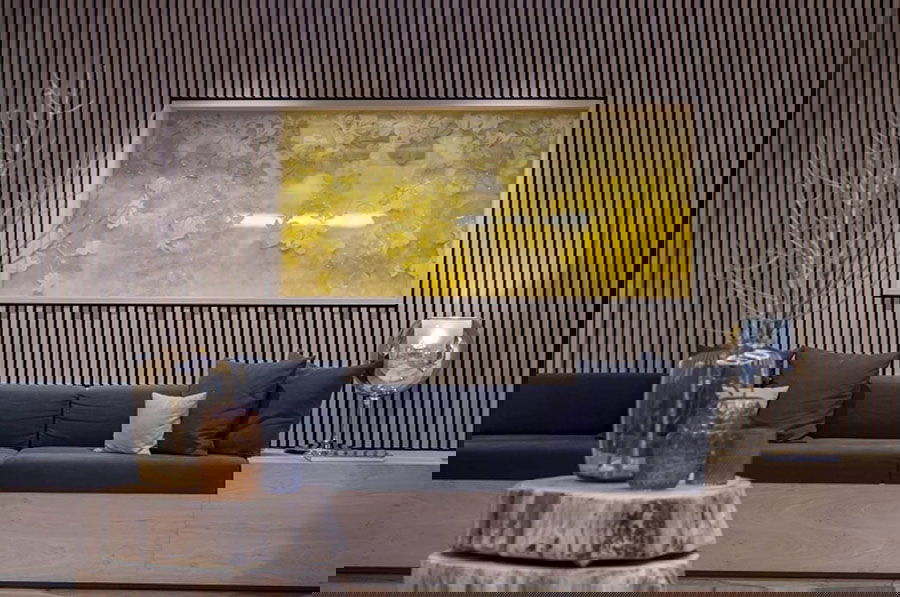
For many years, the KIRINUS Alpenpark Klinik has been committed to the principle of a "healing architecture". This refers to the internationally researched theory that the experienced environment has a positive effect on the healing process of patients and also promotes the job satisfaction of employees. The most important elements are room layout, orientation and short distances, light incidence and lighting, acoustics, materials, furnishings and colours, as well as access to and experience of nature.
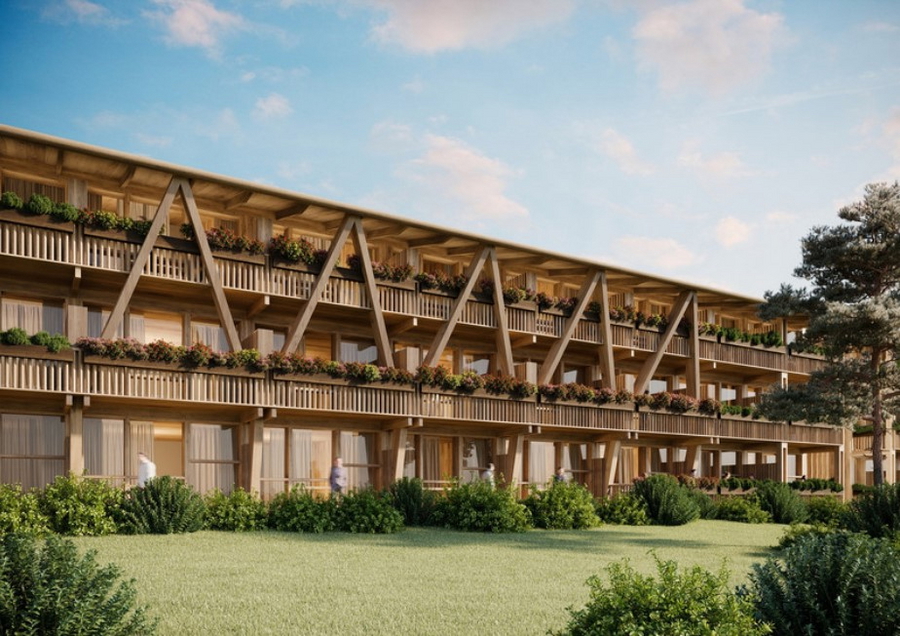
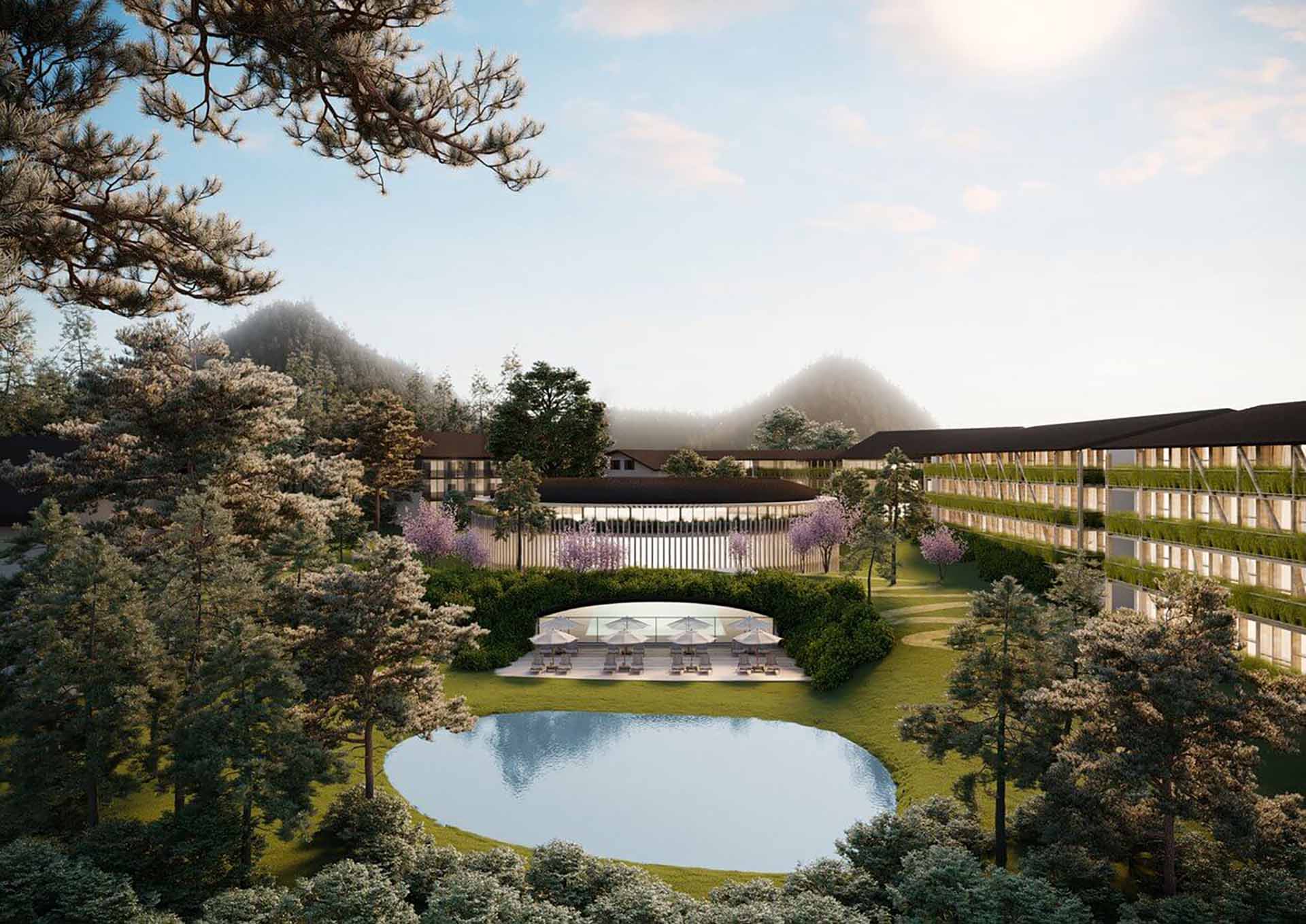
When planning the new KIRINUS Alpenpark Klinik, the idea of creating an ideal healing environment in every respect was the overriding premise. The basis for this is a unique combination of high-quality architecture and unique landscaping. Combined with optimised medical functionality in the interior, a new dimension of quality has been created that looks far into the future.
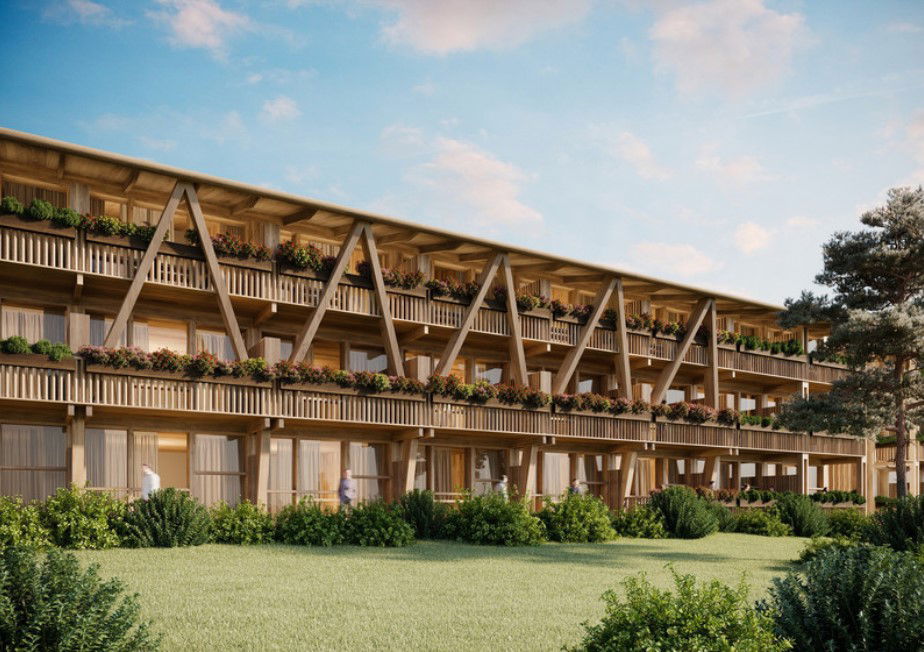
In the first instance, the design organises the historically evolved building structure into a sensible and harmonious whole through conversions and new buildings, extensions and conversions - with short, barrier-free routes for patients and staff, a convincing medical infrastructure in the long term and rooms of a uniformly high standard. The number of rooms will increase from the current 120 to 170. Attractive workplaces with natural light will be created for staff.
The ingenious design minimises the built-up area. With a maximum height of three storeys (ground level+2), the building remains at the same level as the Ringberghaus completed in 2016. The therapy centre at the heart of the plans is even significantly lower. It is connected by underground corridors, creating a spacious, interconnected park around the buildings that emphasises the clinic's unique natural location. The park will include a large biotope.
The car park (currently containing 76 spaces) will be replaced by an underground car park (with approximately 120 spaces). About 35 parking spaces will remain above ground. This will significantly reduce noise pollution, as well as exhaust fumes and traffic congestion caused by arriving and departing patients.
The construction project will be carried out step by step during ongoing operations in close cooperation with the communities of Kreuth and Bad Wiessee, the Miesbach District Office and other public bodies. Naturally, it is important to the project managers and the family to create an open, active and transparent dialogue with all target groups.
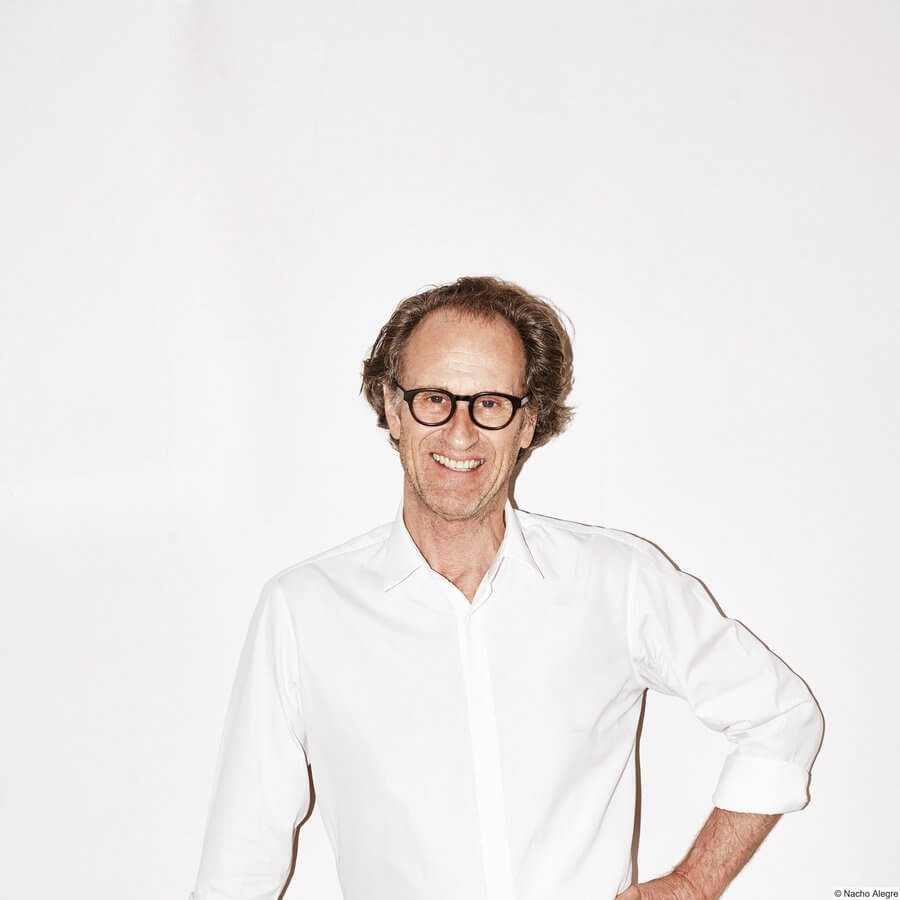
For the redesign of the KIRINUS Alpenpark Klinik, the owners were able to call on the knowledge, expertise and creativity of the best:
The aim is to create a first-class medical facility in a building complex that is unparalleled: Carefully and sustainably integrated into the landscape, designed with respect for the history and location, and realised by internationally renowned minds.
1950 Purchase of the present Wallberghaus, which had long been used as a private home by the owner's family.
1962 Construction of the former 55-bed sanatorium and current main building.
1967/68 Construction of the current swimming pool wing with five patient rooms and a swimming pool.
1984 The former staff house becomes part of the clinic and is now called "Defreggerhaus".
1986 The former private house of the owners, now the Wallberg House, is rebuilt and extended after a fire.
1988/89 Expansion of the common rooms, the gymnasium, the current therapy departments and other rooms. They are now part of the main building.
1993 The former chief physician's villa becomes part of the clinic. The building is now used as a staff house.
1996/97 Demolition of the former garden house where Franz von Defregger lived. Extension of the Defregger House and construction of the connecting corridor to the Wallberg House.
2015/16 Construction of the Ringberghaus with 21 new suites and seminar and treatment rooms. As part of the new building, the clinic lobby is enlarged and redesigned and the restaurant is extended with a conservatory.
2021 The next chapter begins.
We are reorganising the historically grown structure and modernising much of the old building fabric in order to...
We see ourselves as a driving force. With this renovation we want to take the next step in our development and also for the benefit of the region.
At the moment we are forced to turn away a lot of patients, including those from the region. That is why we wish to increase the number of beds. As mainting a high medical quality, personal care and our family atmosphere is our top priority, we are only increasing the number of rooms by 50. From 120 to 170.
Do you have any questions about our Alp X project? Then please send us an email at presse@kirinus.de.
You may have a number of questions before a stay at the clinic lasting several weeks. Our team will be happy to advise you on all questions relating to treatment at the KIRINUS Alpenpark Klinik.
We are also available for a personal consultation. Give us a call or message us.